Types of Iranian Saffron: A Complete Guide to Different Saffron Grades
Table of Contents
- Introduction
- Why Understanding Saffron Grades Matters
- What Determines Saffron Quality?
- Super Negin Saffron
- Negin Saffron
- Sargol Saffron
- Pushal Saffron
- Bunch Saffron
- White Saffron (Konj)
- Comparison Table
- Which Saffron Grade Is Best?
- Price Differences Among Saffron Types
- How to Choose the Right Saffron
- Frequently Asked Questions
Introduction
Iran is recognized as the world’s leading producer of saffron, supplying a large share of the global market. Thanks to its unique climate and centuries of cultivation experience, Iranian saffron has gained an international reputation for exceptional quality, rich aroma, and strong coloring power.
However, many consumers are unaware that saffron is available in several different grades. Each type has its own characteristics, appearance, applications, and price range.
Understanding the various grades of Iranian saffron helps consumers, wholesalers, and importers choose the right product according to their specific needs.
Why Understanding Saffron Grades Matters
Not all saffron products are identical.
Differences in harvesting methods, processing techniques, thread appearance, and quality standards create several commercial grades.
Choosing the correct saffron type can affect:
- Appearance
- Coloring strength
- Aroma
- Market value
- Export suitability
- Price
Whether you are a home cook, retailer, or international distributor, understanding these differences is essential.
What Determines Saffron Quality?
Several factors influence the quality of saffron:
Crocin Content
Crocin is responsible for the coloring strength of saffron.
Safranal
Safranal creates the characteristic aroma.
Picrocrocin
Picrocrocin contributes to saffron’s distinctive taste.
Harvesting Method
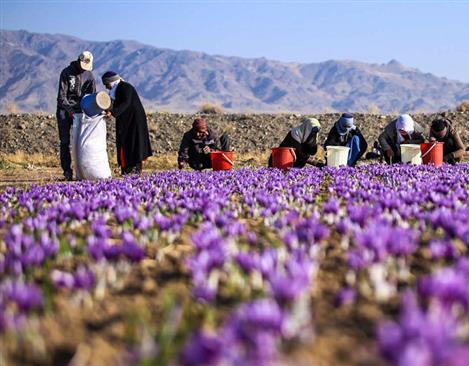
Careful hand harvesting preserves thread integrity.
Drying Process
Proper drying techniques maintain quality and chemical compounds.
High-quality Iranian saffron consistently performs well according to international standards.
Super Negin Saffron
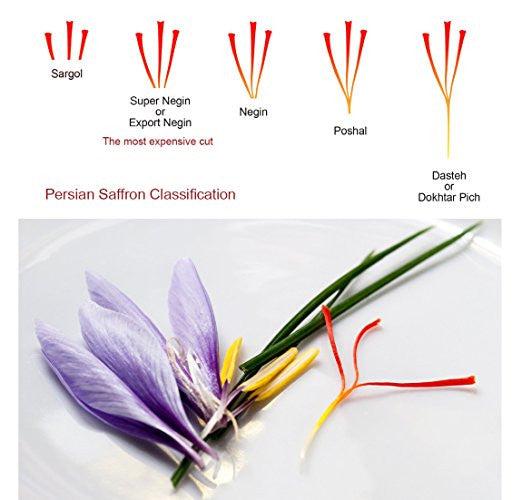
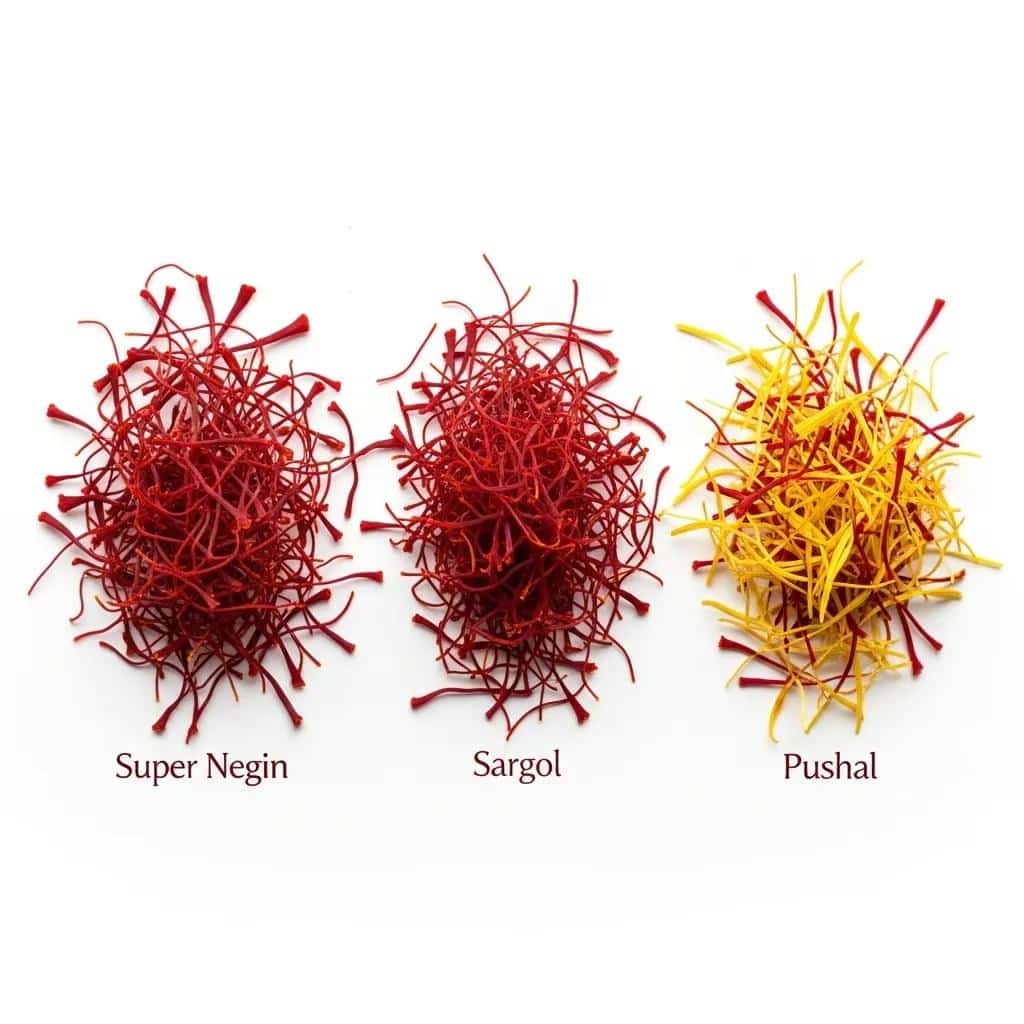
Super Negin saffron is considered the highest commercial grade available.
Characteristics include:
- Long threads
- Thick stigmas
- Entirely red appearance
- Excellent coloring strength
- Premium aroma
- Luxurious presentation
Super Negin saffron is widely used in export markets and luxury packaging.
For a detailed explanation, readers can explore our guide to Super Negin Saffron.
Negin Saffron
Negin saffron is another premium grade that offers excellent quality and attractive appearance.
Main features include:
- Long threads
- Uniform shape
- Strong coloring power
- Rich aroma
- High export demand
Although slightly less expensive than Super Negin saffron, Negin saffron remains one of the most popular grades worldwide.
Sargol Saffron
Sargol saffron contains only the red stigma portion of the flower.
Characteristics include:
- Pure red threads
- High coloring strength
- Strong aroma
- Shorter thread segments
- Excellent value
Because of its balance between quality and affordability, Sargol saffron is widely used in households and food industries.
Readers interested in comparing premium grades can also read our article about Negin Saffron vs Sargol Saffron.
Pushal Saffron
Pushal saffron includes a small yellow portion attached to the red stigma.
Features of Pushal saffron:
- Natural appearance
- Lower processing requirements
- Strong aroma
- Affordable price
- Reduced risk of adulteration
Pushal saffron is popular among consumers seeking authenticity and good value.
Bunch Saffron
Bunch saffron, also known as Dasteh saffron, is the traditional form of saffron.
In this type, the red stigmas remain attached to the yellow styles.
Characteristics include:
- Traditional appearance
- Minimal processing
- Strong aroma
- Long shelf life
- Economic pricing
Bunch saffron remains popular in local markets and traditional households.
White Saffron (Konj)
White saffron refers to the cream-colored style portion that remains after separating the red stigmas.
Although it lacks coloring power, it retains some aroma and is occasionally used in traditional applications.
However, white saffron is not considered a premium grade.
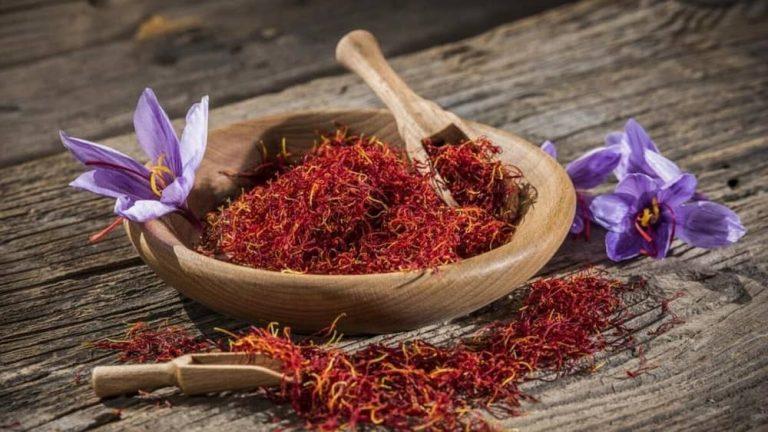
Comparison Table
| Feature | Super Negin | Negin | Sargol | Pushal | Bunch |
|---|---|---|---|---|---|
| Appearance | Premium | Premium | Good | Natural | Traditional |
| Thread Length | Longest | Long | Medium | Medium | Long |
| Coloring Strength | Excellent | Excellent | Excellent | Good | Moderate |
| Aroma | Strong | Strong | Strong | Strong | Strong |
| Export Value | Very High | High | High | Moderate | Low |
| Price | Highest | High | Moderate | Moderate | Lower |
Which Saffron Grade Is Best?
The answer depends on the intended application.
For Export
Super Negin saffron and Negin saffron are preferred because of their elegant appearance.
For Daily Cooking
Sargol saffron offers excellent performance and affordability.
For Traditional Use
Bunch saffron remains a popular option.
For Authenticity
Pushal saffron provides a natural appearance with lower risk of adulteration.
No single grade is universally superior. The best choice depends on the buyer’s priorities.
Price Differences Among Saffron Types
Several factors influence saffron prices:
- Quality level
- Harvest conditions
- Processing methods
- Packaging
- Export demand
- Market trends
Generally:
- Super Negin saffron is the most expensive.
- Negin saffron follows closely.
- Sargol saffron offers balanced pricing.
- Pushal saffron is economical.
- Bunch saffron is usually the most affordable.
Readers interested in market trends can also visit our Saffron Price Guide.
How to Choose the Right Saffron
Before buying saffron, consider:
- Intended use
- Budget
- Packaging requirements
- Export plans
- Quality expectations
Consumers should also learn how to recognize genuine saffron.
Our article on How to Identify Pure Saffron provides detailed guidance.
Understanding the characteristics of Iranian Saffron as a whole can also help buyers make informed decisions.
Conclusion
Iranian saffron is available in several grades, each serving different markets and consumer preferences.
Super Negin, Negin, Sargol, Pushal, and Bunch saffron all possess unique characteristics and applications.
By understanding the differences among these grades, consumers and businesses can select the saffron type that best suits their needs and maximize both quality and value.
Frequently Asked Questions
What is the highest grade of Iranian saffron?
Super Negin saffron is generally regarded as the highest commercial grade.
Which saffron is best for cooking?
Sargol saffron is widely preferred for daily culinary applications because of its excellent coloring strength and affordability.
What is Pushal saffron?
Pushal saffron contains a small yellow portion attached to the red stigma and offers a more natural appearance.
Which saffron grade is best for export?
Super Negin and Negin saffron are commonly preferred for international markets.
Why do saffron prices vary among grades?
Differences in quality, appearance, processing, and demand contribute to price variations.