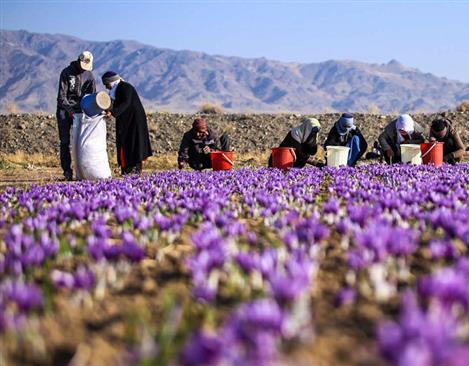
Saffron Harvesting: A Complete Guide to How and When Saffron Is Harvested
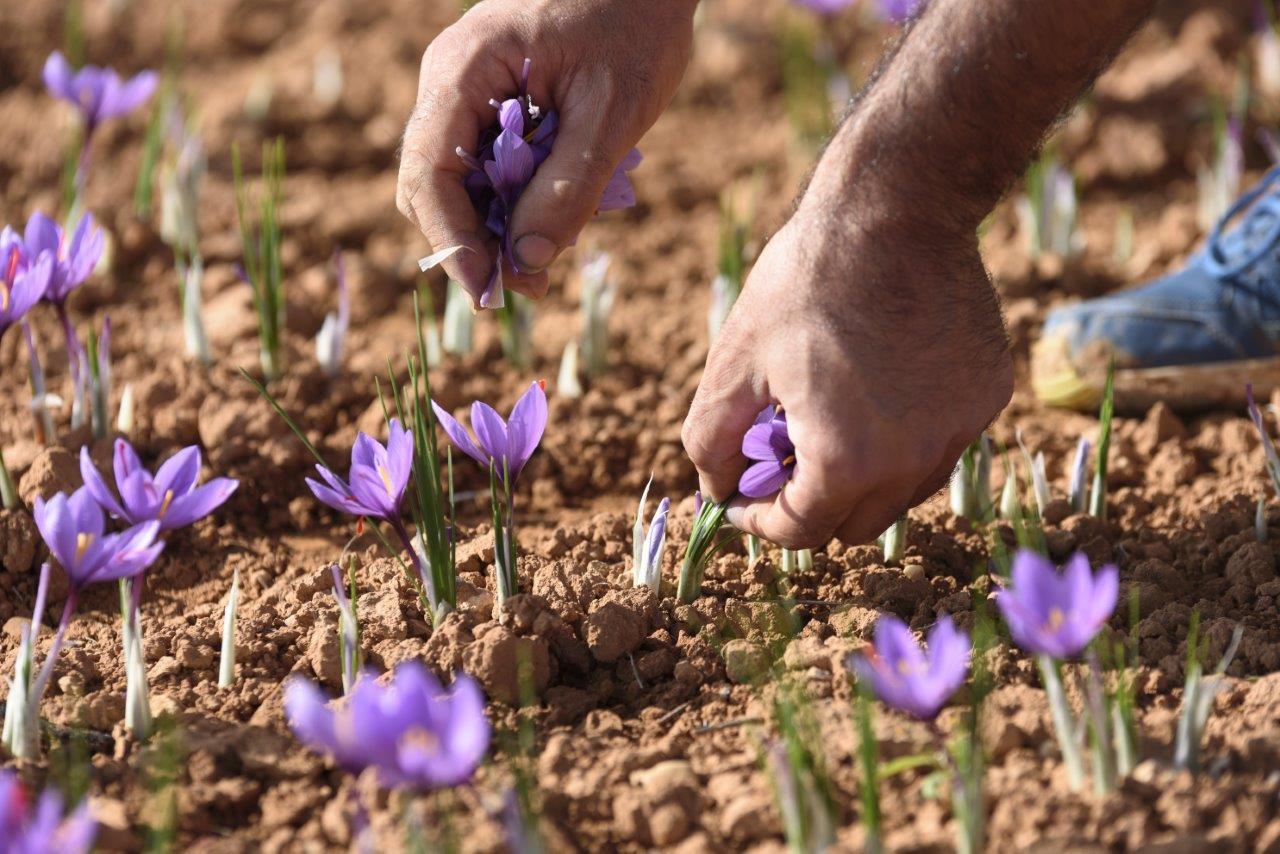
Saffron is one of the world’s most valuable spices, but its journey begins long before it reaches a kitchen, restaurant, food manufacturer, or international buyer. Behind every small package of premium saffron lies a labor-intensive agricultural process involving cultivation, flowering, harvesting, stigma separation, drying, sorting, testing, and packaging.
Among all these stages, saffron harvesting is one of the most important.
The timing and method of harvest can directly influence the physical appearance and overall quality of the final product. Because saffron threads are delicate and valuable, harvesting is traditionally performed by hand, requiring speed, care, and experienced workers.
For buyers interested in premium Iranian saffron, understanding the harvesting process provides valuable insight into why saffron is expensive and why quality can vary from one batch to another.
This guide explains when saffron is harvested, how saffron flowers are collected, how the red stigmas are separated, and why harvesting practices matter for saffron quality.
Where Does Saffron Come From?
Saffron comes from the flower of Crocus sativus, commonly known as the saffron crocus.
Each flower produces three red stigmas, which are the valuable part used as the spice known as saffron. These delicate stigmas must be carefully separated from the flower and processed correctly to preserve their quality.
Because each flower produces only a very small amount of usable saffron, a large number of flowers are required to produce even a small quantity of dried saffron.
This is one of the main reasons saffron is often described as one of the most expensive spices in the world.
When Is Saffron Harvested?
The saffron harvest season depends on the climate and growing region. In the major saffron-producing areas of Iran, harvesting generally takes place during the autumn flowering season.
The harvest period is relatively short. During this time, saffron flowers bloom over a limited number of days or weeks, creating an intense period of agricultural activity.
Because flowers continue to bloom during the harvest season, workers may need to visit the fields repeatedly to collect newly opened flowers.
The exact timing can vary depending on factors such as:
- Geographic location
- Climate conditions
- Temperature
- Rainfall
- Soil conditions
- Planting schedule
For saffron producers, accurately managing the harvest period is essential because the flowers are highly delicate.
Why Is Saffron Usually Harvested Early?
Saffron flowers are often collected early in the day, frequently before they are fully exposed to strong sunlight.
Early harvesting can help protect the delicate flower and make it easier to manage the stigmas before they become damaged or exposed to unfavorable conditions.
The flowers are typically collected manually and placed in suitable containers before being transferred for processing.
Because the flowering period is short, harvesting often requires significant coordination between field workers and processing teams.
How Is Saffron Harvested?
The saffron harvesting process generally involves several stages.
1. Flower Collection
The first stage is collecting the saffron flowers from the field.
Workers carefully pick the flowers by hand. Mechanized harvesting is challenging because the flowers are delicate and must be handled carefully.
The goal is to collect the flowers efficiently while minimizing physical damage.
2. Transportation to the Processing Area
After harvesting, the flowers are transferred to a suitable processing area.
Because the quality of the stigmas can be affected by delays and poor handling, efficient organization is important.
The harvested flowers should be protected from unnecessary heat, moisture, crushing, and contamination.
3. Stigma Separation
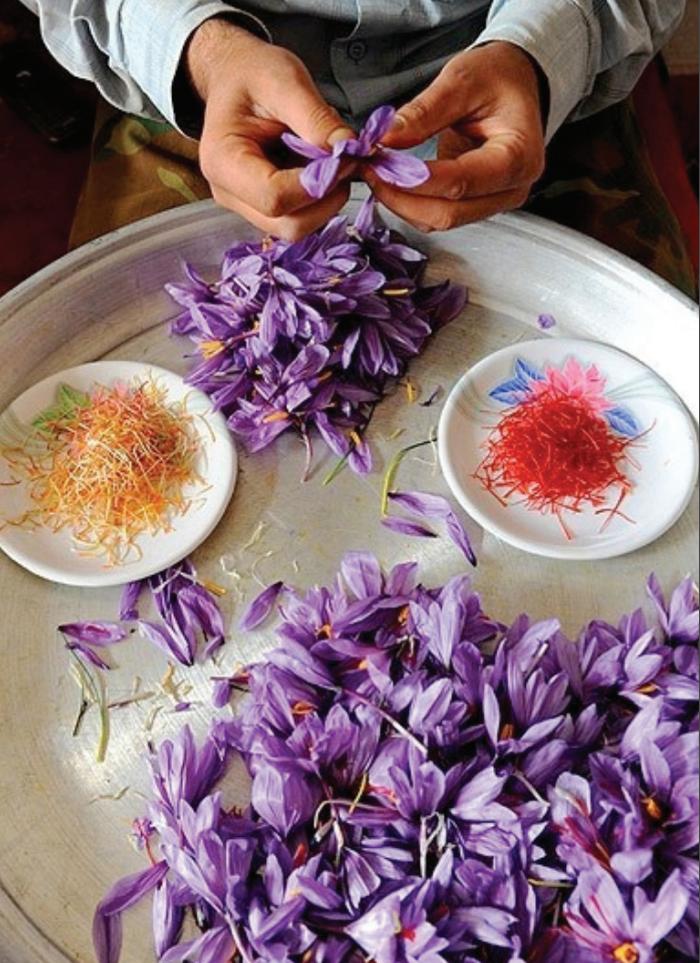
Once the flowers arrive at the processing area, the red stigmas are separated from the rest of the flower.
This is one of the most labor-intensive stages of saffron production.
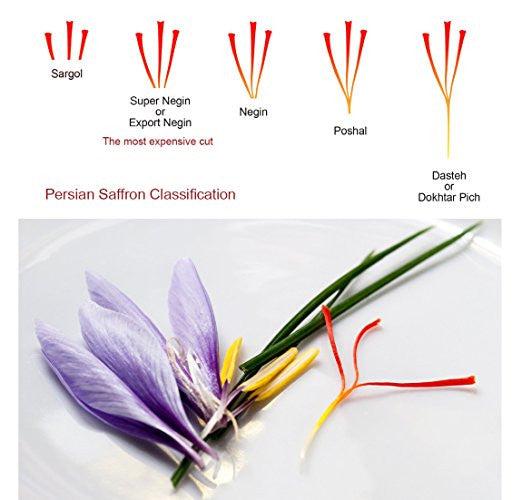
Each flower contains:
- Three red stigmas
- Yellow or pale parts of the style
- Purple petals
- Other floral components
Depending on the intended saffron grade, workers may separate different portions of the stigma and style.
4. Sorting
The collected saffron threads may then be sorted based on their physical characteristics.
Sorting can consider:
- Thread length
- Thickness
- Red color
- Presence of yellow style
- Uniformity
- Physical condition
This process contributes to the creation of different commercial saffron grades.
5. Drying
Drying is one of the most important stages after harvesting.
Fresh saffron stigmas contain moisture and must be dried carefully to produce stable saffron suitable for storage and sale.
The drying process must be controlled because excessive heat or improper drying can affect the final characteristics of the saffron.
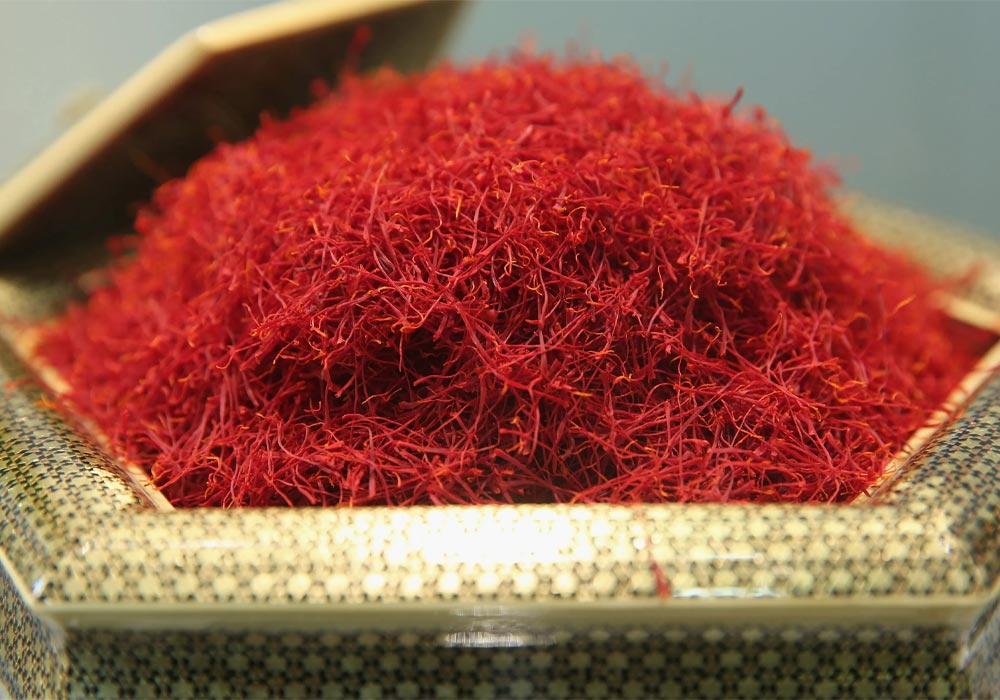
After drying, the saffron becomes lighter and takes on the familiar appearance of the threads sold to consumers and commercial buyers.
Why Is Saffron Harvesting So Labor Intensive?
One of the most important reasons for saffron’s high value is the amount of manual work required.
A large number of flowers are needed to produce a relatively small quantity of dried saffron.
Each flower must be:
- Grown and cared for.
- Collected during the flowering season.
- Handled carefully.
- Processed.
- Separated manually.
- Dried.
- Sorted and prepared for sale.
The stigma separation stage alone requires significant human labor.
This combination of limited yield and intensive manual work contributes substantially to the final price of saffron.
For a deeper understanding of market factors, readers can also explore the Saffron Price guide on Tida Saffron.
How Does Harvesting Affect Saffron Quality?
Harvesting is closely connected to final saffron quality.
Poor handling during the harvest process may result in:
- Broken stigmas
- Physical damage
- Contamination
- Delayed processing
- Reduced visual quality
Careful harvesting and efficient processing help maintain the physical integrity of the saffron threads.
However, harvesting is only one part of the overall quality chain. Drying, storage, packaging, and laboratory testing also play essential roles.
For example, a beautiful-looking saffron thread does not automatically guarantee superior chemical quality. Professional evaluation should consider recognized quality parameters and laboratory testing.
You can learn more about this process in our guide to How to Test Saffron Quality.
The Importance of Drying After Harvest
After the stigmas are separated from the flowers, they must be dried.
Drying helps reduce moisture and prepare the saffron for storage.
A controlled drying process is important because poor moisture management can negatively affect product stability.
The goal is to produce saffron that maintains desirable characteristics such as:
- Strong color
- Distinctive aroma
- Characteristic flavor
- Suitable moisture levels
- Good physical appearance
Drying methods can vary between producers and regions.
Professional producers focus on consistency and quality control throughout this stage.
What Happens After Saffron Is Dried?
Once the saffron has been dried, it may go through additional quality-control and preparation processes.
These can include:
- Physical inspection
- Sorting
- Removal of unwanted materials
- Batch identification
- Laboratory testing
- Packaging
Depending on the supplier and market, laboratory analysis may be used to evaluate quality characteristics.
International buyers may request quality documentation, particularly for large commercial orders.
Saffron Harvesting and Iranian Saffron
Iran has a long history of saffron cultivation and remains one of the world’s most important saffron-producing countries.
Iranian saffron is cultivated in several regions, with different growing conditions influencing agricultural practices and product characteristics.
The saffron harvest is an important seasonal event in producing areas, where significant numbers of workers may participate in flower collection and stigma separation.
This long agricultural experience has contributed to the development of a wide range of saffron grades, including:
- Super Negin
- Negin
- Sargol
- Pushal
- Dasteh
Each type has different physical characteristics and commercial applications.
To learn more about these categories, see our guide to Types of Iranian Saffron.
What Makes Handpicked Saffron Special?
Hand harvesting allows workers to select flowers individually and handle them with greater care.
Because saffron flowers are delicate, manual harvesting can help reduce unnecessary damage when properly managed.
Handpicked saffron also reflects the traditional and labor-intensive nature of saffron production.
For premium saffron brands, the story of careful cultivation and harvesting can become an important part of product positioning and brand identity.
However, the term “handpicked” should not be considered a complete guarantee of chemical quality. Proper processing, drying, storage, and testing remain essential.
The Connection Between Harvesting and Saffron Grades
Saffron grades are generally associated with physical characteristics and how different parts of the stigma and style are separated and presented.
For example:
Super Negin
Super Negin is generally known for its long, thick, red threads and premium visual appearance.
Negin
Negin saffron is also characterized by long red stigmas and is widely used in premium markets.
Sargol
Sargol primarily consists of the red stigma portion.
Pushal
Pushal contains red stigmas together with a portion of the yellow style.
Dasteh
Dasteh saffron is presented in a more traditional bundled form and contains a larger combination of red and yellow portions.
Although processing and sorting influence these grades, the quality of the raw material and the care taken during harvesting also contribute to the final appearance.
How Weather Can Affect the Saffron Harvest
Weather conditions can influence the saffron growing cycle and flowering period.
Factors such as:
- Temperature
- Rainfall
- Drought
- Frost
- Seasonal changes
may affect plant development and the timing of flowering.
For farmers, predicting and preparing for the harvest season is therefore an important part of saffron production.
Changes in weather can also influence agricultural yields, which may ultimately affect market supply.
Supply is one of several factors that can influence the price of saffron.
From Saffron Flower to Final Product
The journey of saffron can be summarized in several stages:
Cultivation → Flowering → Harvesting → Stigma Separation → Drying → Sorting → Quality Control → Packaging → Distribution
Each stage can influence the final product.
This is why professional saffron suppliers focus on quality management throughout the supply chain rather than relying on a single quality-control step.
Quality Control After Harvesting
After harvesting and drying, saffron may be evaluated using physical and laboratory methods.
Professional quality control can include the examination of:
- Coloring strength
- Aroma-related characteristics
- Flavor-related characteristics
- Moisture
- Purity
- Extraneous materials
The internationally recognized ISO 3632 framework is an important reference for evaluating saffron quality.
For buyers interested in scientific quality classification, our guide to the ISO 3632 Saffron Standard provides additional information.
Why Harvest Timing Matters
Timing is one of the most important elements of saffron production.
If flowers are not collected efficiently during the flowering period, the condition of the flower may change and processing can become more difficult.
Efficient harvesting also helps producers coordinate:
- Labor
- Flower collection
- Processing capacity
- Stigma separation
- Drying
During the harvest season, these activities must often be managed quickly because the number of flowers can change from day to day.
Saffron Harvesting and Product Traceability
Modern food buyers increasingly value traceability.
For saffron, traceability can involve information about:
- Country of origin
- Growing region
- Harvest period
- Production batch
- Processing date
- Packaging date
A transparent supply chain can increase confidence among wholesalers, distributors, and international buyers.
Traceability can also make it easier to manage quality-control programs and identify the source of specific batches.
From Harvesting to Packaging
Proper packaging is the final protective stage before saffron reaches the market.
Even high-quality saffron can gradually lose desirable characteristics if it is stored or packaged incorrectly.
Good packaging helps protect saffron from:
- Light
- Moisture
- Excessive air exposure
- Physical damage
- Contamination
For export-oriented businesses, packaging also plays a major role in branding and customer experience.
For more information, see our guide to Saffron Packaging for Export.
How Long Does Freshly Harvested Saffron Remain at Its Best?
The answer depends on several factors, including drying quality, packaging, storage conditions, and exposure to environmental factors.
Properly dried and carefully stored saffron can maintain useful quality for a considerable period, but its aroma and other characteristics can gradually change over time.
The best storage strategy is to protect saffron from light, heat, moisture, and unnecessary exposure to air.
For a detailed guide, readers can explore Saffron Shelf Life and Storage.
Common Misconceptions About Saffron Harvesting
“All saffron is harvested in exactly the same way.”
Not necessarily. Agricultural practices, climate conditions, labor organization, and processing methods can vary.
“The longest threads always mean the best saffron.”
Long and attractive threads can indicate a premium physical presentation, but laboratory quality should also be considered.
“Handpicked saffron is automatically the highest quality.”
Hand harvesting can support careful handling, but final quality also depends on drying, storage, purity, and chemical characteristics.
“Harvesting is the only factor that determines saffron quality.”
Harvesting is important, but quality is influenced by the entire production chain.
Frequently Asked Questions
When is saffron harvested?
Saffron is generally harvested during the autumn flowering season, although the exact timing depends on the region and climate conditions.
How is saffron harvested?
Saffron flowers are traditionally picked by hand. The red stigmas are then separated, dried, sorted, and prepared for sale.
Why is saffron harvested by hand?
The flowers and stigmas are delicate, and manual harvesting allows careful collection and handling.
How many saffron flowers are needed to produce saffron?
A large number of flowers are required to produce a small amount of dried saffron because each flower contains only three valuable stigmas.
Does harvesting affect saffron quality?
Yes. Careful harvesting and efficient handling can help protect the physical integrity and quality of the saffron.
What happens after saffron is harvested?
After flower collection, the stigmas are separated, dried, sorted, tested, packaged, and distributed.
Is Iranian saffron harvested by hand?
Hand harvesting remains an important part of saffron production in Iran because of the delicate nature of the saffron flower and stigma.
Conclusion
Saffron harvesting is the beginning of a complex journey that transforms a delicate autumn flower into one of the world’s most valuable spices.
The process requires careful timing, skilled labor, efficient handling, and proper coordination between harvesting and processing. From collecting the flowers to separating the red stigmas and drying them correctly, every stage can influence the appearance and quality of the final product.
For international buyers, understanding how saffron is harvested provides valuable insight into the true value of premium saffron and the extensive work behind every gram.
High-quality Iranian saffron is the result of more than cultivation alone. Careful harvesting, professional processing, proper drying, laboratory quality control, suitable packaging, and correct storage all contribute to the final product.
For businesses and consumers seeking premium saffron, understanding this complete journey makes it easier to appreciate the craftsmanship, agricultural expertise, and quality management behind every thread.