Saffron Price in 2026: Everything You Need to Know Before Buying Saffron
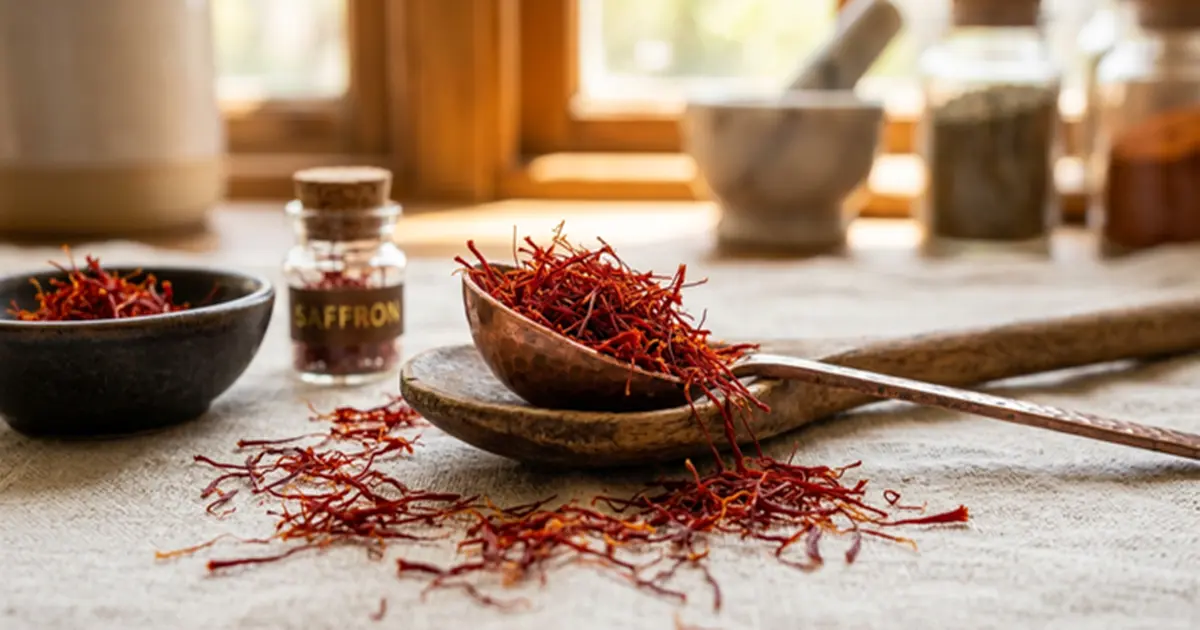
Saffron is widely known as the world’s most expensive spice, earning the nickname “Red Gold” due to its exceptional value, limited production, and labor-intensive harvesting process. Whether you are a consumer looking for a few grams of premium saffron or a wholesaler sourcing kilograms for international trade, understanding saffron prices is essential for making informed purchasing decisions.
In 2026, global saffron demand continues to grow across food, beverage, pharmaceutical, cosmetic, and wellness industries. This increasing demand, combined with production challenges and quality variations, has made saffron pricing more dynamic than ever.
This comprehensive guide explores the factors affecting saffron prices, the differences between saffron grades, wholesale and retail pricing considerations, and the latest market trends shaping the global saffron industry.
Why Is Saffron So Expensive?
Unlike most agricultural products, saffron requires an extraordinary amount of manual labor.
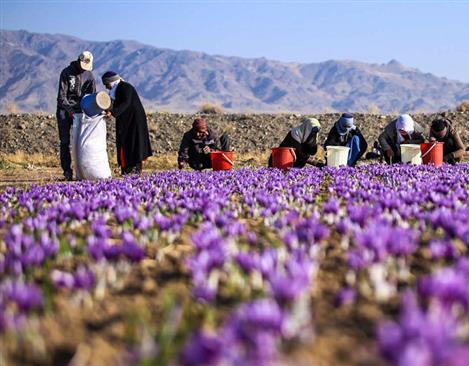
Saffron comes from the flower Crocus sativus, commonly known as the saffron crocus. Each flower produces only three delicate red stigmas, which must be carefully handpicked during a short harvesting season.
To produce just one kilogram of dried saffron, farmers need approximately 150,000 to 200,000 flowers. Every step—from cultivation and harvesting to drying and packaging—requires skilled human labor.
The combination of limited production regions, low yield per flower, and extensive labor requirements makes saffron one of the most valuable spices in the world.
Key Factors That Affect Saffron Price
Several variables influence saffron prices in international markets.
1. Saffron Grade and Quality
Quality is the most significant factor determining saffron value.
Premium saffron grades contain longer, thicker, and fully red stigmas with high coloring strength and strong aroma.
The most common saffron grades include:
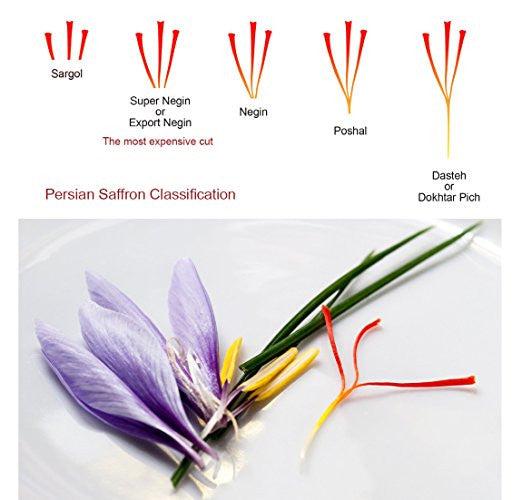
Super Negin Saffron
Super Negin is considered the highest commercial grade available. It features:
- Long, thick threads
- Fully red stigmas
- Minimal yellow or orange parts
- Exceptional coloring strength
- Premium appearance
Because of its superior quality, Super Negin saffron generally commands the highest market price.
Negin Saffron
Negin saffron offers excellent quality and appearance while being slightly more affordable than Super Negin.
Sargol Saffron
Sargol consists entirely of red stigma tips and is widely used in culinary applications.
Pushal Saffron
Pushal includes part of the yellow style attached to the red stigma. It is commonly chosen by consumers seeking a balance between quality and affordability.
Saffron Powder
Ground saffron is often less expensive than whole threads but may present challenges regarding purity verification.
Country of Origin and Its Impact on Saffron Cost
The country where saffron is produced significantly influences pricing.
Iranian Saffron
Iran accounts for the majority of global saffron production and is recognized for producing some of the world’s finest saffron varieties.
Iranian saffron is highly valued because of:
- Strong coloring power
- Rich aroma
- Consistent quality
- Competitive pricing
- Large-scale production
Kashmiri Saffron
Kashmiri saffron is famous for its intense aroma and deep color. Due to limited production volumes, it often sells at premium prices.
Afghan Saffron
Afghanistan has emerged as an important saffron producer and exporter. Afghan saffron has gained international recognition for quality and purity.
Spanish and Greek Saffron
European saffron varieties are often marketed as premium specialty products and may carry higher retail prices due to regional branding and smaller production volumes.
Saffron Price Per Gram: What Consumers Should Expect
Retail consumers typically purchase saffron in quantities ranging from 1 gram to 10 grams.
Several factors influence the price per gram:
- Grade
- Purity
- Packaging
- Brand reputation
- Origin
- Freshness
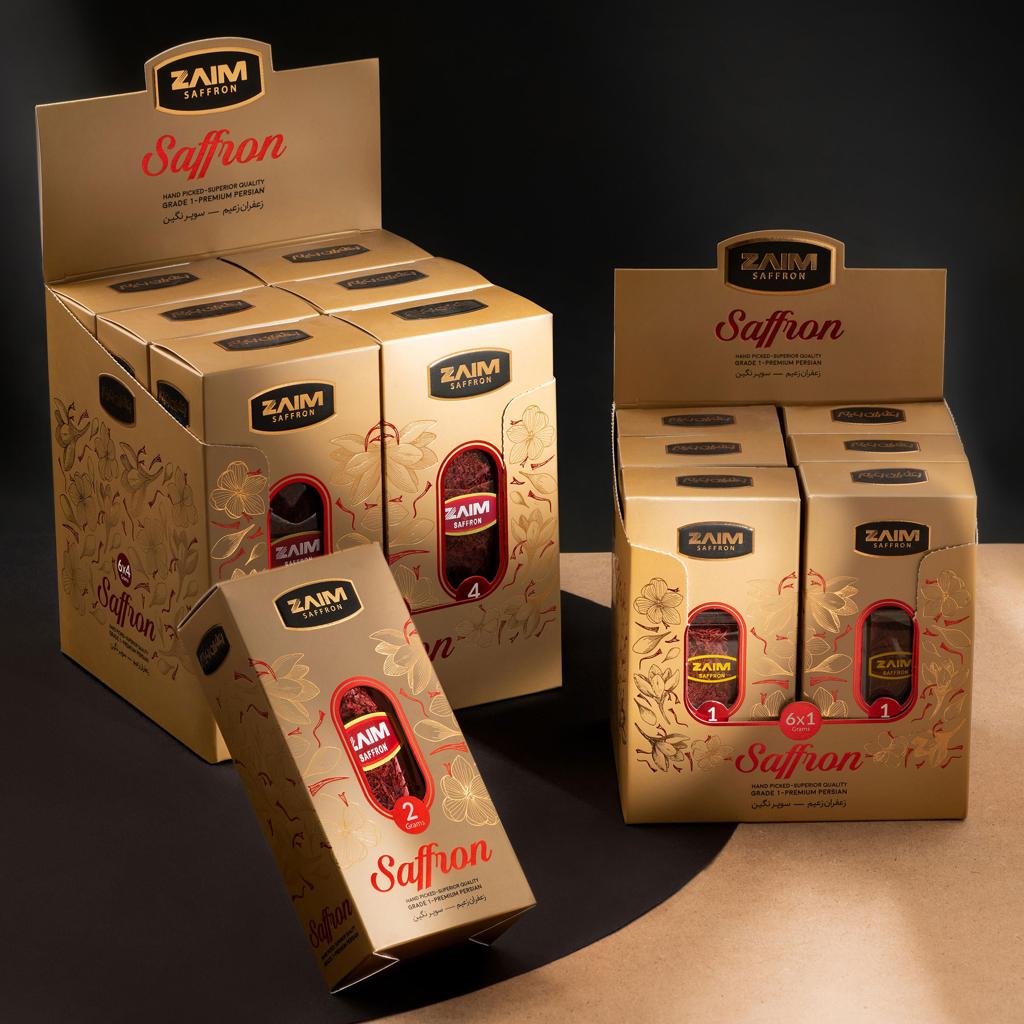
Premium saffron sold in luxury packaging generally costs more than bulk-packaged saffron, even when the product quality is similar.
Consumers should avoid products that appear unusually cheap, as counterfeit or adulterated saffron remains a challenge in some markets.
Wholesale Saffron Price Per Kilogram
Wholesale saffron buyers—including distributors, importers, food manufacturers, and exporters—usually purchase saffron in larger quantities.
The wholesale price per kilogram depends on:
- Quality grade
- Harvest year
- Supply availability
- Export regulations
- Destination market
- Packaging requirements
- Certification standards
Bulk purchases often benefit from lower unit costs, making wholesale transactions more cost-effective for businesses.
Understanding Saffron Quality Testing
Professional saffron buyers rely on laboratory testing to evaluate quality.
The most important quality indicators include:
Coloring Strength (Crocin)
Crocin is responsible for saffron’s vibrant color.
Higher crocin levels generally indicate superior saffron quality and stronger coloring power.
Aroma Strength (Safranal)
Safranal creates saffron’s distinctive fragrance.
Premium saffron contains higher levels of aromatic compounds.
Flavor Components (Picrocrocin)
Picrocrocin contributes to saffron’s characteristic taste and bitterness.
Moisture Content
Proper moisture levels are essential for preserving quality, aroma, and shelf life.
How Harvest Conditions Affect Saffron Prices
Saffron production is highly sensitive to environmental conditions.
Factors affecting annual yields include:
- Rainfall levels
- Drought conditions
- Temperature fluctuations
- Soil quality
- Agricultural practices
Poor harvest seasons often lead to reduced supply and increased prices in global markets.
Conversely, strong harvest years can improve availability and stabilize pricing.
Global Saffron Market Trends in 2026
Several important trends are influencing saffron prices worldwide.
Rising Demand for Natural Ingredients
Consumers increasingly prefer natural products over synthetic alternatives.
Saffron is gaining popularity in:
- Functional foods
- Nutritional supplements
- Herbal medicine
- Skincare products
- Luxury beverages
Expansion of E-Commerce
Online saffron sales continue to grow, giving consumers access to premium saffron from international suppliers.
Increased Focus on Quality Certification
Buyers increasingly demand:
- Laboratory analysis
- ISO certifications
- Food safety compliance
- Traceability documentation
Certified saffron products often achieve higher market prices.
Growing Interest in Premium Saffron
Consumers are becoming more educated about saffron grades, creating stronger demand for premium products such as Super Negin saffron.
How to Identify Authentic Saffron
When evaluating saffron, consider the following characteristics.
Appearance
Authentic saffron threads should:
- Be deep red in color
- Have trumpet-shaped ends
- Show natural variations
- Not appear artificially uniform
Aroma
Pure saffron produces a distinctive aroma that combines floral, honey-like, and earthy notes.
Water Test
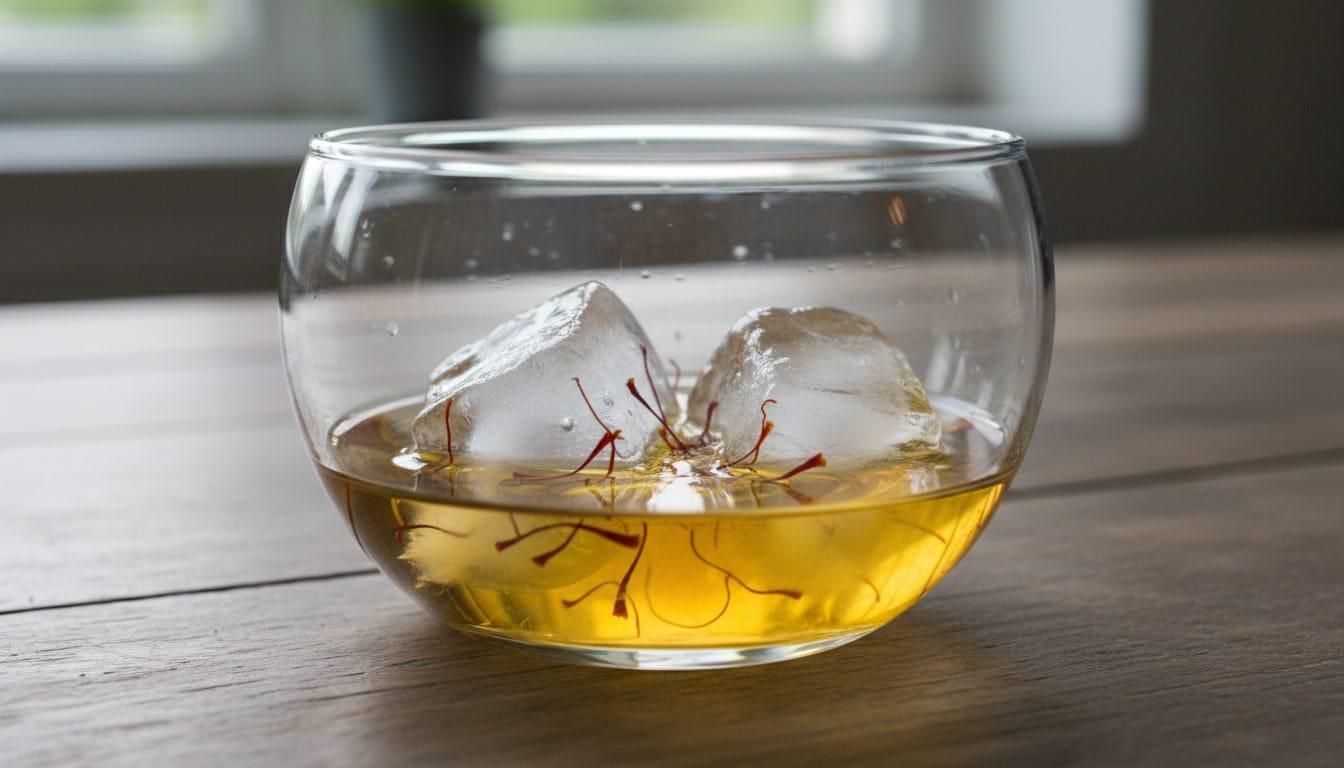
Authentic saffron gradually releases color into warm water without instantly turning the liquid bright red.
Taste
Real saffron has a slightly bitter taste and should never taste sweet.
Best Practices for Buying Saffron
Whether purchasing saffron for personal use or commercial distribution, consider these recommendations:
Buy From Trusted Suppliers
Choose suppliers with established reputations and transparent sourcing practices.
Request Laboratory Reports
For wholesale purchases, always ask for quality testing documentation.
Compare Grades
Understanding grade differences helps buyers choose products that match their budget and intended use.
Verify Origin
Country of origin remains an important indicator of quality and market value.
Evaluate Packaging
Proper packaging protects saffron from moisture, light, and contamination.
Why Businesses Prefer Iranian Saffron
Many international buyers choose Iranian saffron because it offers an exceptional balance between quality and value.
Benefits include:
- Consistent quality standards
- Large-scale availability
- Competitive export pricing
- Multiple grade options
- Strong global reputation
These advantages have helped Iranian saffron maintain a dominant position in international markets.
Future Outlook for Saffron Prices
Industry experts anticipate continued growth in global saffron demand over the coming years.
Key growth drivers include:
- Increased health awareness
- Expansion of premium food markets
- Growth in nutraceutical applications
- Rising international trade
- Greater consumer education
Although annual harvest conditions may create short-term price fluctuations, long-term demand is expected to remain strong.
Conclusion
Understanding saffron prices requires more than simply comparing numbers. Quality grade, origin, harvest conditions, certification standards, and market demand all play crucial roles in determining saffron value.
Whether you are searching for saffron price per gram, wholesale saffron price per kilogram, or premium export-quality saffron, focusing on authenticity and quality will always deliver the best long-term value.
As global demand continues to expand in 2026 and beyond, premium saffron remains one of the most valuable and sought-after agricultural products in international markets.
Frequently Asked Questions (FAQ)
What is the average saffron price per gram?
The price per gram varies depending on quality, origin, and packaging. Premium-grade saffron generally commands significantly higher prices than lower grades.
Why is saffron more expensive than other spices?
Saffron requires manual harvesting, low-yield cultivation, and extensive labor, making production costly and time-consuming.
Which saffron grade is the most expensive?
Super Negin saffron is generally considered the highest commercial grade and often achieves the highest market price.
Does Iranian saffron offer good value?
Yes. Iranian saffron is internationally recognized for its high quality, strong coloring power, and competitive pricing.
How can buyers verify saffron quality?
Laboratory testing, supplier reputation, certification documents, and visual inspection are among the most reliable methods for evaluating saffron quality.
Is wholesale saffron cheaper than retail saffron?
Yes. Wholesale purchases typically offer lower costs per gram compared to retail packaging.
What factors cause saffron prices to change?
Harvest conditions, supply levels, demand trends, export regulations, quality grades, and global market dynamics all influence saffron pricing.