What Is Iranian Saffron?
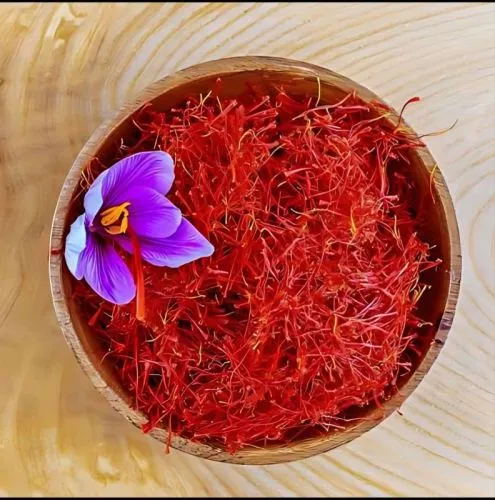
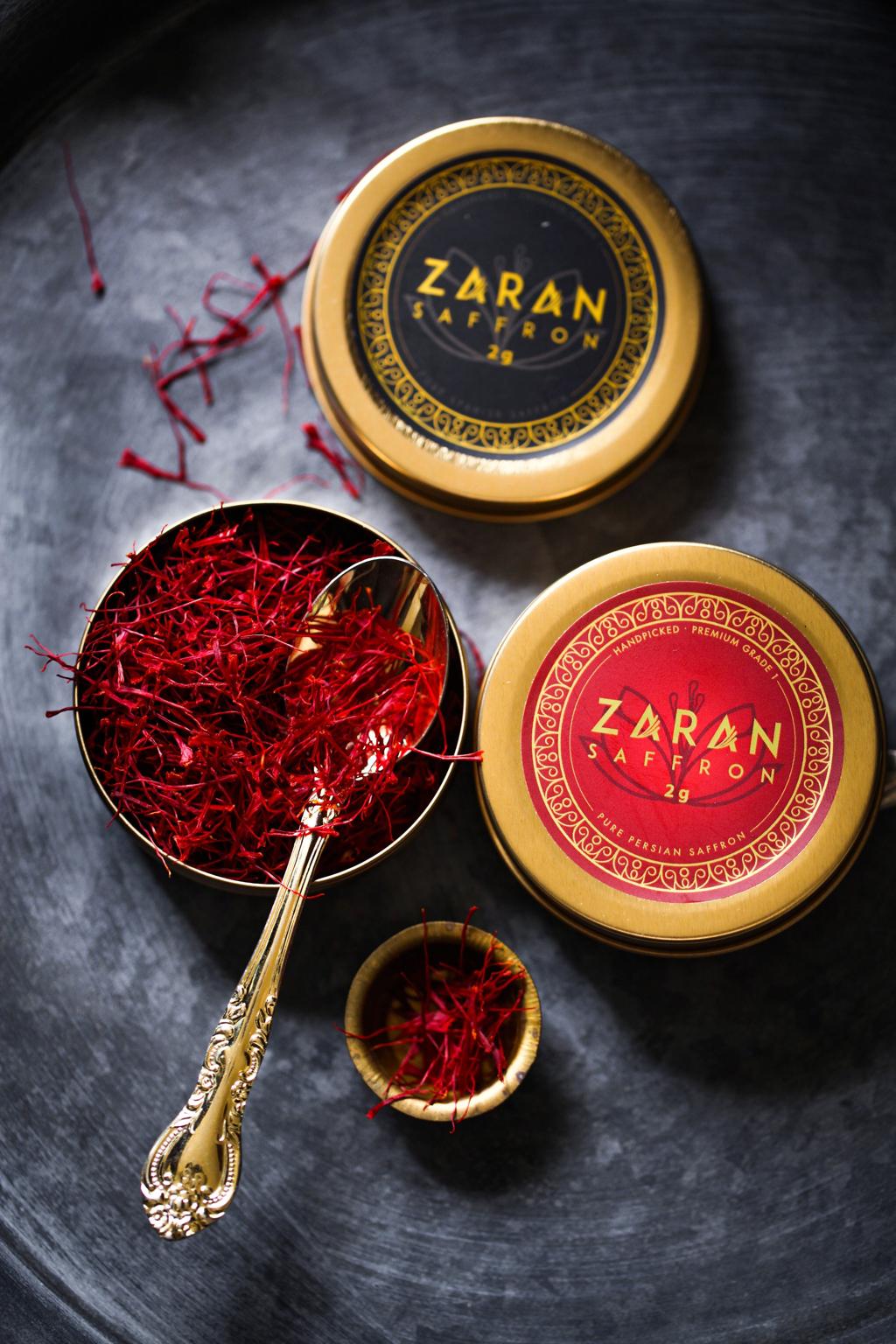
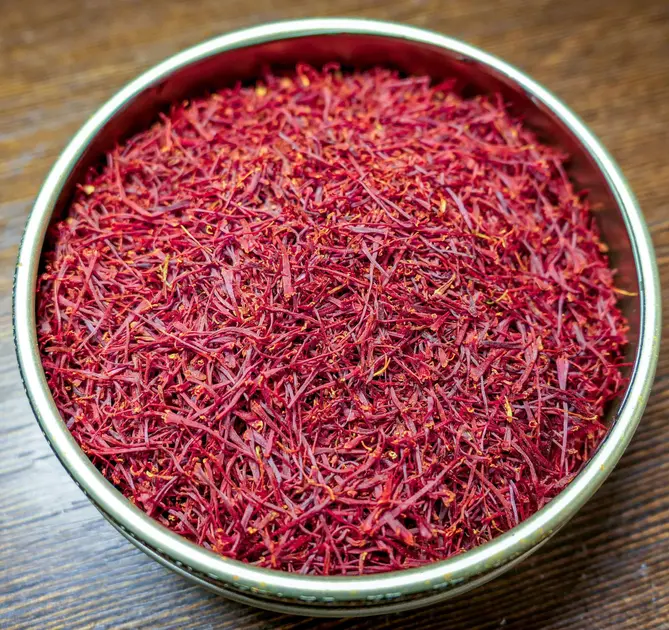
Iranian saffron, often referred to as “Red Gold,” is one of the most valuable agricultural products in the world. Derived from the flower Crocus sativus, saffron has been cultivated in Iran for centuries and is widely recognized for its exceptional aroma, vibrant color, and distinctive flavor.
Today, Iran remains the world’s leading producer of saffron and supplies a significant share of the global market.
Why Is Iranian Saffron Famous Worldwide?
Iranian saffron has earned a strong international reputation because of its:
- Exceptional coloring strength
- Rich aroma
- Distinct flavor
- High purity
- Consistent quality
- Competitive pricing
These characteristics make Persian saffron highly desirable among consumers, chefs, food manufacturers, and pharmaceutical companies.
History of Saffron Cultivation in Iran
The cultivation of saffron in Iran dates back thousands of years. Historical records indicate that saffron played an important role in Persian culture, medicine, cuisine, and trade.
For generations, Iranian farmers have refined traditional cultivation and harvesting methods, helping preserve the superior quality of this precious spice.
Major Saffron-Producing Regions in Iran
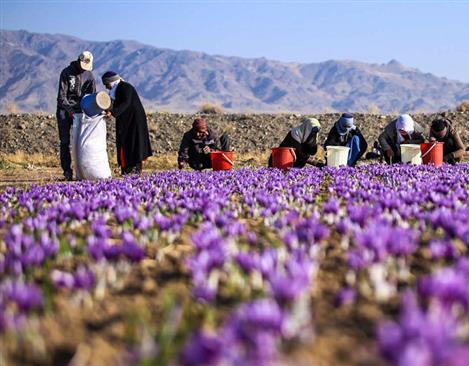
The majority of Iranian saffron is cultivated in northeastern provinces, particularly:
Khorasan Razavi
Mashhad and surrounding regions are among the most important saffron-producing areas.
South Khorasan
This province is known for producing premium-quality saffron with excellent coloring strength.
North Khorasan
Farmers in this region also contribute significantly to Iran’s saffron industry.
The climate and soil conditions of these regions provide ideal environments for saffron cultivation.
According to information published by the Food and Agriculture Organization (FAO), Iran remains one of the world’s leading saffron producers.
Different Types of Iranian Saffron
Iran produces several commercial grades of saffron:
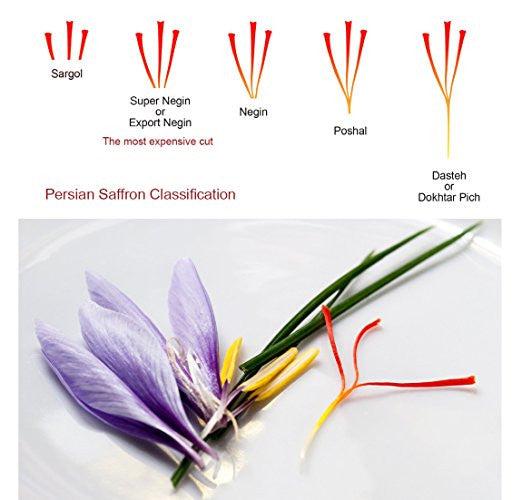
Super Negin Saffron
The highest commercial grade with long, thick, entirely red stigmas.
Negin Saffron
Highly popular in international markets because of its premium appearance and excellent quality.
Sargol Saffron
Contains only the red part of the stigma and provides strong coloring power.
Pushal Saffron
Includes a small portion of the yellow style and offers a more economical option.
Why Iranian Saffron Has Superior Quality
Several factors contribute to the outstanding quality of Iranian saffron:
Ideal Climate
Dry weather and suitable temperatures support healthy saffron cultivation.
Traditional Harvesting
All flowers are harvested manually to preserve quality.
Careful Drying Process
Proper drying techniques help maintain aroma, flavor, and coloring compounds.
High Crocin Content
Crocin is responsible for saffron’s coloring strength and is one of the most important quality indicators.
Iranian Saffron and ISO 3632 Standards
Professional saffron quality is evaluated according to ISO 3632 standards.
The three major indicators are:
- Crocin (coloring strength)
- Safranal (aroma)
- Picrocrocin (taste)
Premium Iranian saffron consistently performs well according to these international standards.
Health Benefits of Iranian Saffron
Scientific research continues to explore the health benefits of saffron.
Saffron contains powerful antioxidants that may support:
- General wellness
- Mood balance
- Cognitive health
- Cellular protection
However, saffron should not be considered a substitute for medical treatment.
Applications of Iranian Saffron
Iranian saffron is widely used in:
- Culinary dishes
- Beverages
- Confectionery products
- Pharmaceutical industries
- Cosmetic products
- Nutritional supplements
Iranian Saffron in Global Markets
Iranian saffron is exported to numerous countries and is highly valued in international trade.
Its combination of premium quality and competitive pricing has made it a preferred choice among wholesalers and distributors worldwide. Buyers interested in market trends can also explore our comprehensive Saffron Price Guide.
How to Buy Authentic Iranian Saffron
To ensure authenticity:
- Purchase from reputable suppliers.
- Verify quality certifications.
- Examine thread appearance.
- Avoid unusually low prices.
- Request laboratory reports when buying in bulk.
- Consumers should understand how to recognize genuine saffron before making a purchase. You can read our detailed guide on How to Identify Pure Saffron to learn more.
Conclusion
Iranian saffron is widely considered the finest saffron in the world because of its exceptional quality, rich history, and remarkable characteristics.
Whether for culinary, medicinal, or industrial applications, premium Iranian saffron continues to hold a special place in global markets and remains one of Iran’s most valuable agricultural treasures.
Frequently Asked Questions
Why is Iranian saffron considered the best in the world?
Because of its superior coloring strength, aroma, purity, and centuries of cultivation expertise.
Which type of Iranian saffron is the most expensive?
Super Negin saffron is generally regarded as the highest commercial grade.
Does Iranian saffron comply with international standards?
Yes. High-quality Iranian saffron is evaluated according to ISO 3632 standards.
What is the main use of Iranian saffron?
Iranian saffron is used in food, beverages, cosmetics, pharmaceuticals, and dietary supplements.
Which regions of Iran produce the best saffron?
Khorasan Razavi, South Khorasan, and North Khorasan are among the most important saffron-producing regions.