How to Identify Pure Saffron
Saffron is one of the most valuable spices in the world, but its high price has also led to the presence of counterfeit and low-quality products in the market. For consumers and wholesale buyers alike, understanding how to identify pure saffron is essential.
Authentic saffron offers exceptional aroma, flavor, and coloring strength, while fake saffron products often contain artificial dyes or adulterated materials.
This guide explains the characteristics of genuine saffron and the most effective ways to distinguish high-quality saffron from imitations.
Why Is Authentic Saffron Important?
Pure saffron provides:
- Superior flavor
- Rich aroma
- High coloring strength
- Better health benefits
- Longer shelf life
Counterfeit saffron, on the other hand, may contain additives that reduce quality and compromise safety.
Physical Characteristics of Pure Saffron
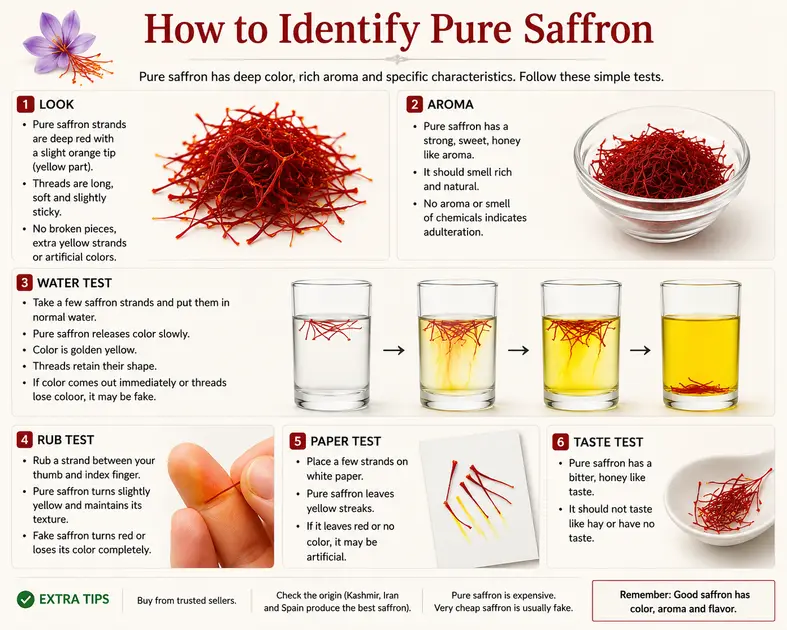
Deep Red Color
Authentic saffron threads are naturally crimson red.
The tips of the threads are trumpet-shaped and may show slight variations in color, which indicates natural origin.
Uniform, bright-red threads with an artificial appearance may indicate coloring agents.
Strong and Distinctive Aroma
High-quality saffron has a unique aroma often described as:
- Floral
- Honey-like
- Earthy
Pure saffron never smells overly sweet or artificial.
Slightly Bitter Taste
Real saffron has a mildly bitter flavor.
Sweetness is usually a sign of additives or impurities.
Water Test for Pure Saffron
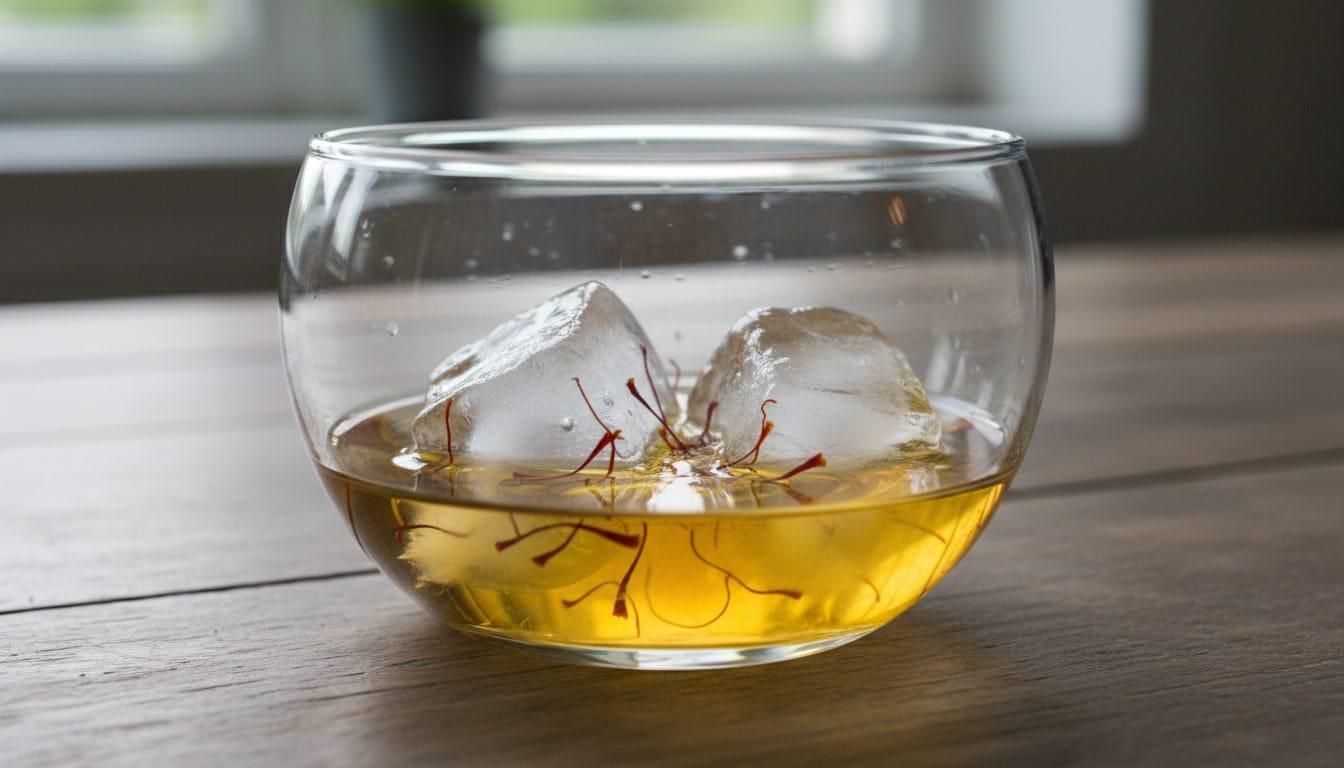
One of the simplest methods for identifying authentic saffron is the water test.
Genuine Saffron
- Releases color gradually.
- Maintains thread shape.
- Turns water golden yellow over time.
Fake Saffron
- Releases color immediately.
- May dissolve or lose structure.
- Produces an unnaturally bright red color.
Paper Test
Place several saffron threads on white paper and press them gently.
Pure saffron should not leave oily or greasy stains.
Excessive staining may indicate artificial additives.
Rub Test
Rub saffron threads between your fingers.
Authentic saffron remains intact and does not crumble easily.
Artificially colored materials may release dye onto the skin.
Understanding ISO 3632 Quality Standards
Professional saffron quality is evaluated according to ISO 3632 standards.
The three main quality indicators are:
Crocin
Responsible for coloring strength.
Safranal
Responsible for aroma.
Picrocrocin
Responsible for taste.
Premium saffron typically exhibits high levels of all three compounds.
Common Types of Fake Saffron
Unscrupulous sellers may use:
- Dyed corn silk
- Safflower petals
- Coconut fibers
- Colored plant materials
- Artificial food coloring
These products imitate the appearance of saffron but lack its aroma and quality.
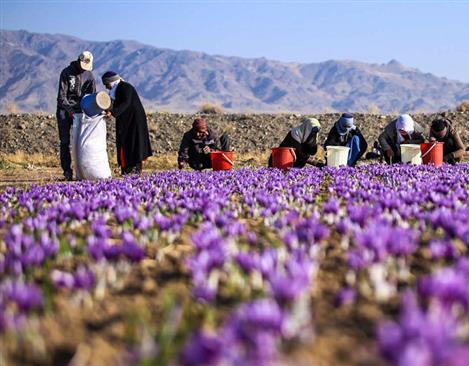
Why Iranian Saffron Is Trusted Worldwide
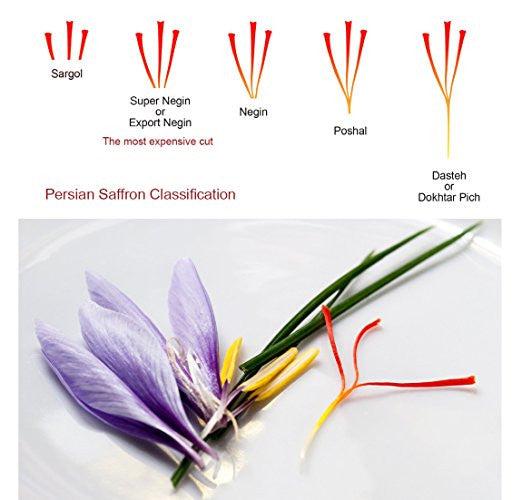
Iran is the world’s leading producer of saffron and is known for producing premium grades such as:
- Super Negin Saffron
- Negin Saffron
- Sargol Saffron
- Pushal Saffron
Iranian saffron is recognized globally for:
- Exceptional coloring strength
- Rich aroma
- High purity
- Consistent quality
Best Practices When Buying Saffron
Purchase from Trusted Suppliers
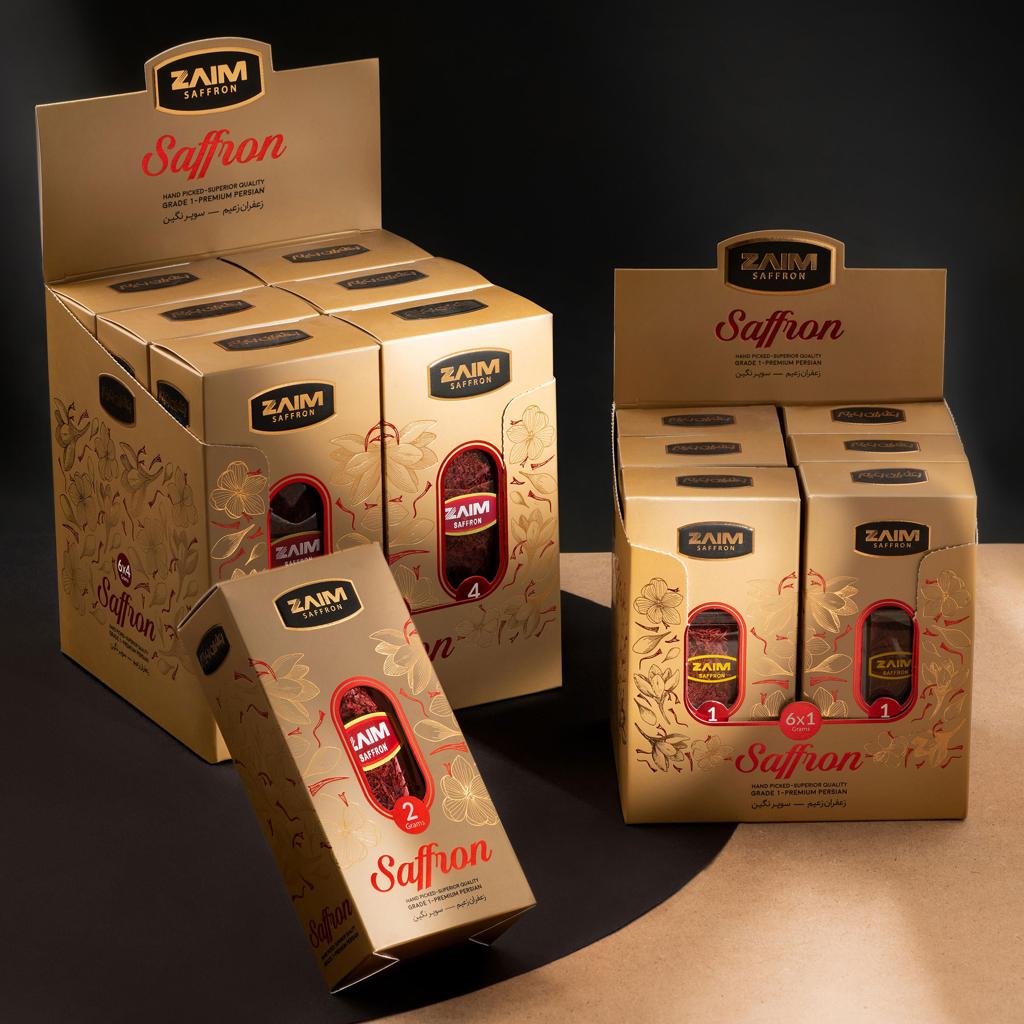
Choose reputable brands and exporters with transparent sourcing.
Check Packaging
High-quality saffron should be packaged to protect it from:
- Moisture
- Sunlight
- Contamination
Ask for Laboratory Reports
Wholesale buyers should request quality certifications and ISO analysis reports.
Avoid Extremely Low Prices
If the price seems too good to be true, the product may not be genuine.
Storage Tips for Maintaining Saffron Quality
To preserve aroma and potency:
- Store saffron in airtight containers.
- Keep it away from direct sunlight.
- Avoid exposure to humidity.
- Store in a cool, dry place.
Proper storage helps maintain freshness and quality for extended periods.
Conclusion
Knowing how to identify pure saffron is essential for anyone seeking premium quality and authentic flavor.
By examining color, aroma, taste, and thread structure—and by purchasing from reputable suppliers—buyers can avoid counterfeit products and enjoy the full benefits of genuine saffron.
Whether you are buying saffron for personal use or international trade, quality and authenticity should always be your top priorities.
Frequently Asked Questions
How can I tell if saffron is pure?
Pure saffron has deep red threads, a distinctive aroma, a slightly bitter taste, and releases color gradually in water.
Does real saffron dissolve in water?
No. Authentic saffron threads maintain their structure while slowly releasing a golden color.
Why is fake saffron common?
Because saffron is expensive, some sellers use cheaper materials and artificial dyes to imitate genuine saffron.
What is the best saffron in the world?
Premium Iranian Super Negin saffron is widely considered one of the finest saffron varieties available.
Can laboratory tests verify saffron quality?
Yes. ISO 3632 analysis measures crocin, safranal, and picrocrocin levels to evaluate saffron quality and authenticity.