Saffron for Export: Why Iranian Saffron Leads the Global Market
Introduction
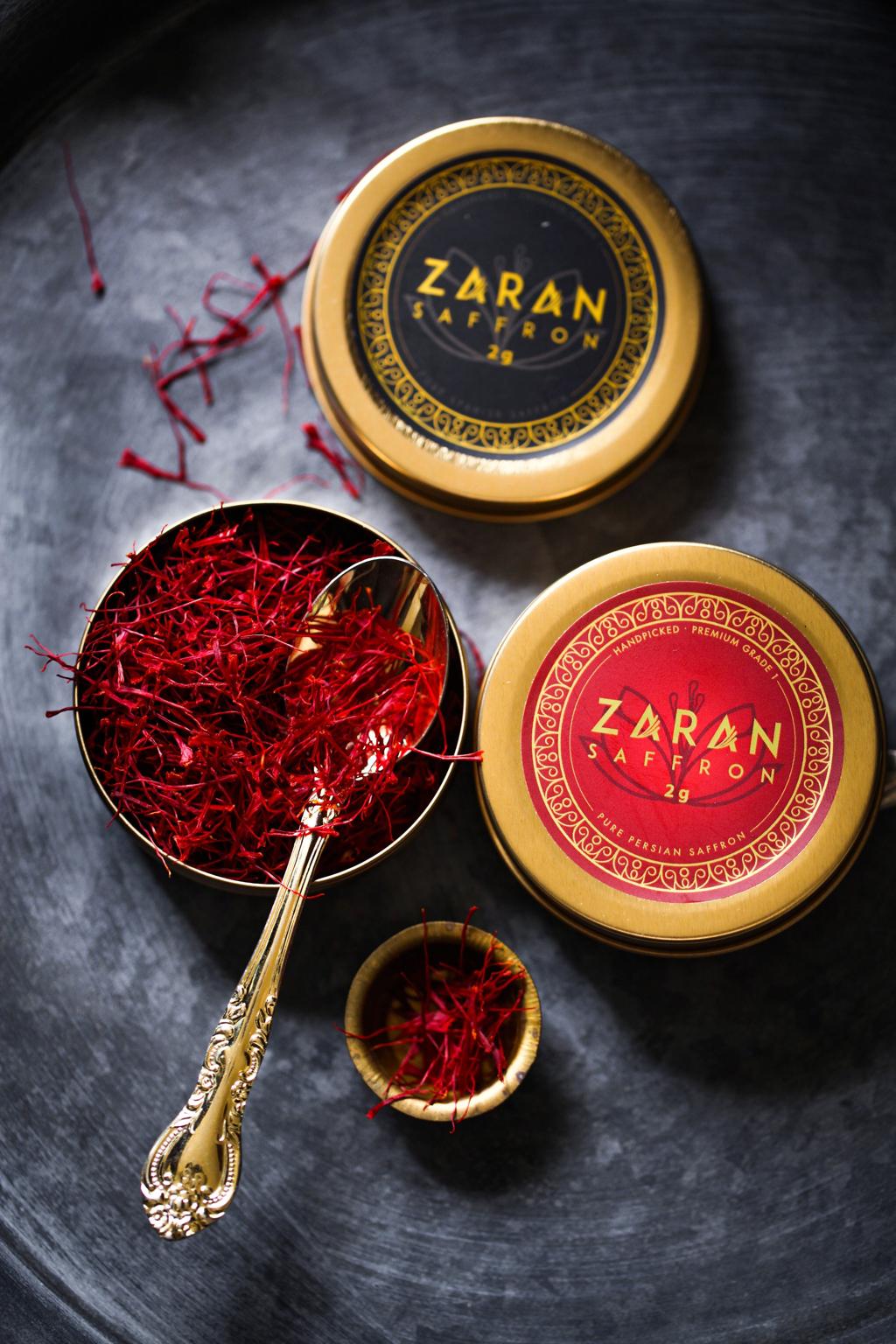
Saffron, often called the “red gold,” is one of the world’s most valuable agricultural products. Its unique aroma, flavor, and coloring power have made it highly desirable in culinary, pharmaceutical, cosmetic, and food industries around the globe.
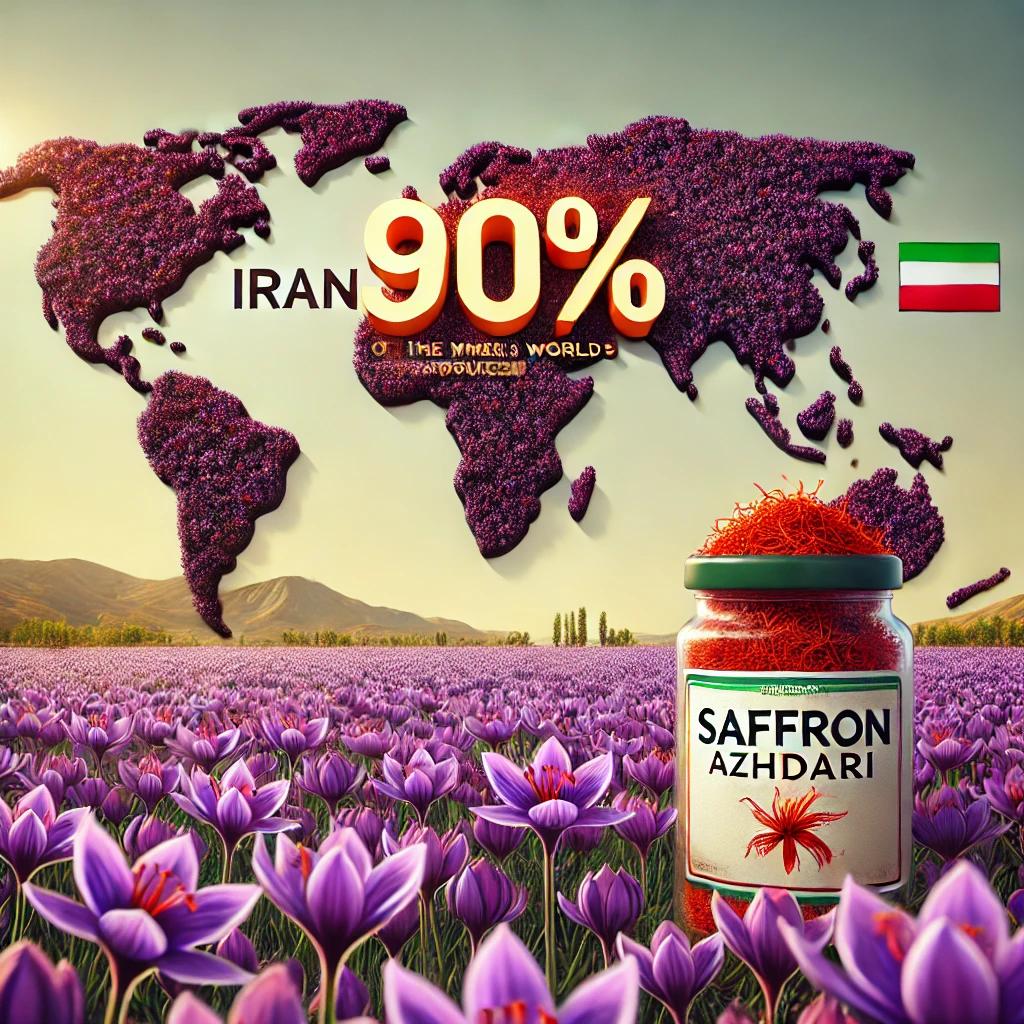
Among all saffron-producing countries, Iran has earned a special position in the international market. The country produces the majority of the world’s saffron supply and has built a strong reputation for delivering premium-quality saffron with exceptional characteristics.
For importers, wholesalers, and international distributors, understanding the export saffron market is essential. Factors such as saffron grades, quality standards, packaging methods, pricing, and consumer preferences can significantly influence purchasing decisions and business success.
This comprehensive guide explores why Iranian saffron dominates global trade and how buyers can choose the best saffron for export purposes.
Why Is Saffron Called Red Gold?
Saffron is one of the most expensive spices in the world because of the enormous labor required to produce it.
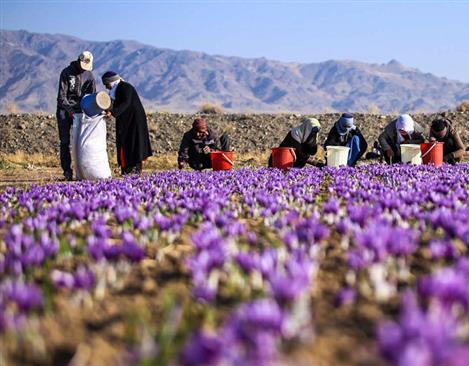
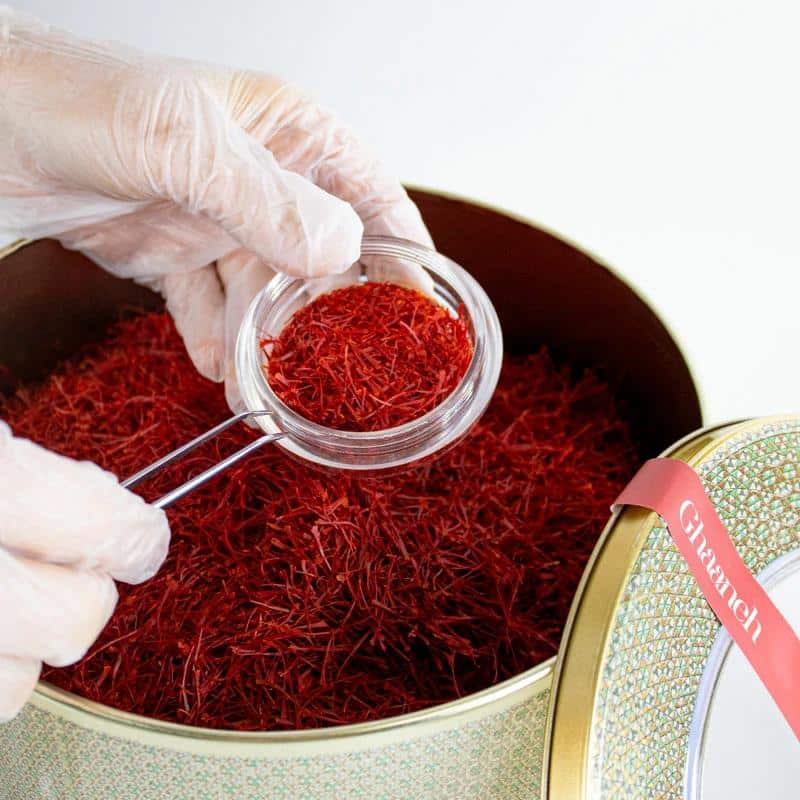
Each saffron flower contains only three delicate stigmas. Thousands of flowers must be harvested by hand to produce even a small amount of dried saffron.
The harvesting process is extremely time-sensitive:
- Flowers bloom only for a short period.
- Harvesting must be done manually.
- The stigmas require careful separation.
- Drying techniques directly affect quality.
Because of this labor-intensive process, saffron has become one of the world’s most valuable agricultural commodities.
Why Does Iran Lead Global Saffron Production?
Iran has been cultivating saffron for centuries and has developed an unmatched expertise in producing premium-quality saffron.
Several factors contribute to Iran’s leadership:
Ideal Climate Conditions
The semi-arid climate and temperature variations in saffron-producing regions create excellent growing conditions.
Experienced Farmers
Generations of farmers have perfected cultivation and harvesting techniques.
Superior Quality
Iranian saffron is internationally recognized for:
- Rich aroma
- Strong coloring power
- Deep red appearance
- High purity
Large Production Capacity
Iran consistently supplies the majority of the world’s saffron demand.
This combination of quality and production capacity makes Iranian saffron the preferred choice for international buyers.
Major Importing Countries of Iranian Saffron
Iranian saffron is exported to numerous countries around the world.
The most important markets include:
- Spain
- United Arab Emirates
- China
- India
- Saudi Arabia
- Qatar
- Kuwait
- Germany
- France
- Italy
- United States
- Canada
Demand continues to grow as consumers increasingly appreciate the culinary and health benefits of saffron.
Which Types of Saffron Are Best for Export?
Not all saffron grades serve the same market.
Different buyers have different expectations regarding appearance, quality, and price.
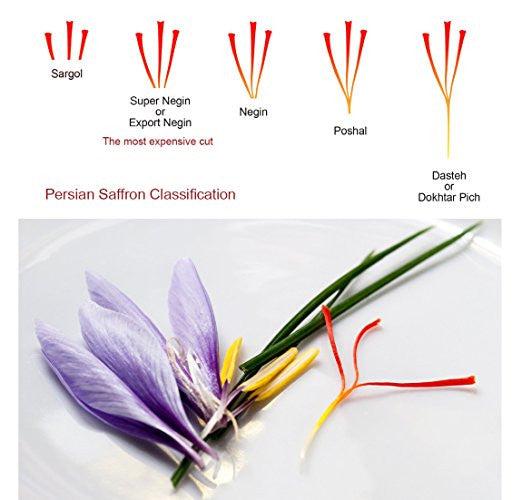
Super Negin Saffron
Super Negin saffron is considered the most luxurious export grade.
Characteristics:
- Long threads
- Thick stigmas
- Entirely red appearance
- Premium presentation
- Excellent coloring strength
This grade is highly popular in luxury retail markets and premium gift packaging.
Negin Saffron
Negin saffron is another export favorite.
Characteristics:
- Long red threads
- Attractive appearance
- Strong coloring power
- Competitive pricing
Negin saffron provides an excellent balance between quality and affordability.
Sargol Saffron
Sargol saffron is widely used by food manufacturers.
Characteristics:
- Pure red threads
- Strong aroma
- High coloring strength
- More economical pricing
Pushal Saffron
Pushal saffron is valued for its natural appearance and authenticity.
It is particularly popular among buyers who prioritize traditional saffron characteristics.
What Makes Iranian Saffron Superior?
Several quality indicators distinguish premium Iranian saffron.
Crocin Content
Crocin determines coloring strength.
Higher crocin levels result in:
- Stronger color
- Better extraction performance
- Greater commercial value
Safranal
Safranal is responsible for saffron’s unique aroma.
Picrocrocin
This compound contributes to saffron’s characteristic taste.
High-quality Iranian saffron performs exceptionally well in all three areas.
International Quality Standards for Export Saffron
Professional buyers pay close attention to quality certifications.
One of the most important standards is ISO 3632.
This international standard evaluates saffron according to:
- Coloring strength
- Aroma
- Flavor
- Moisture content
- Purity
Premium Iranian saffron often achieves the highest quality classifications under this system.
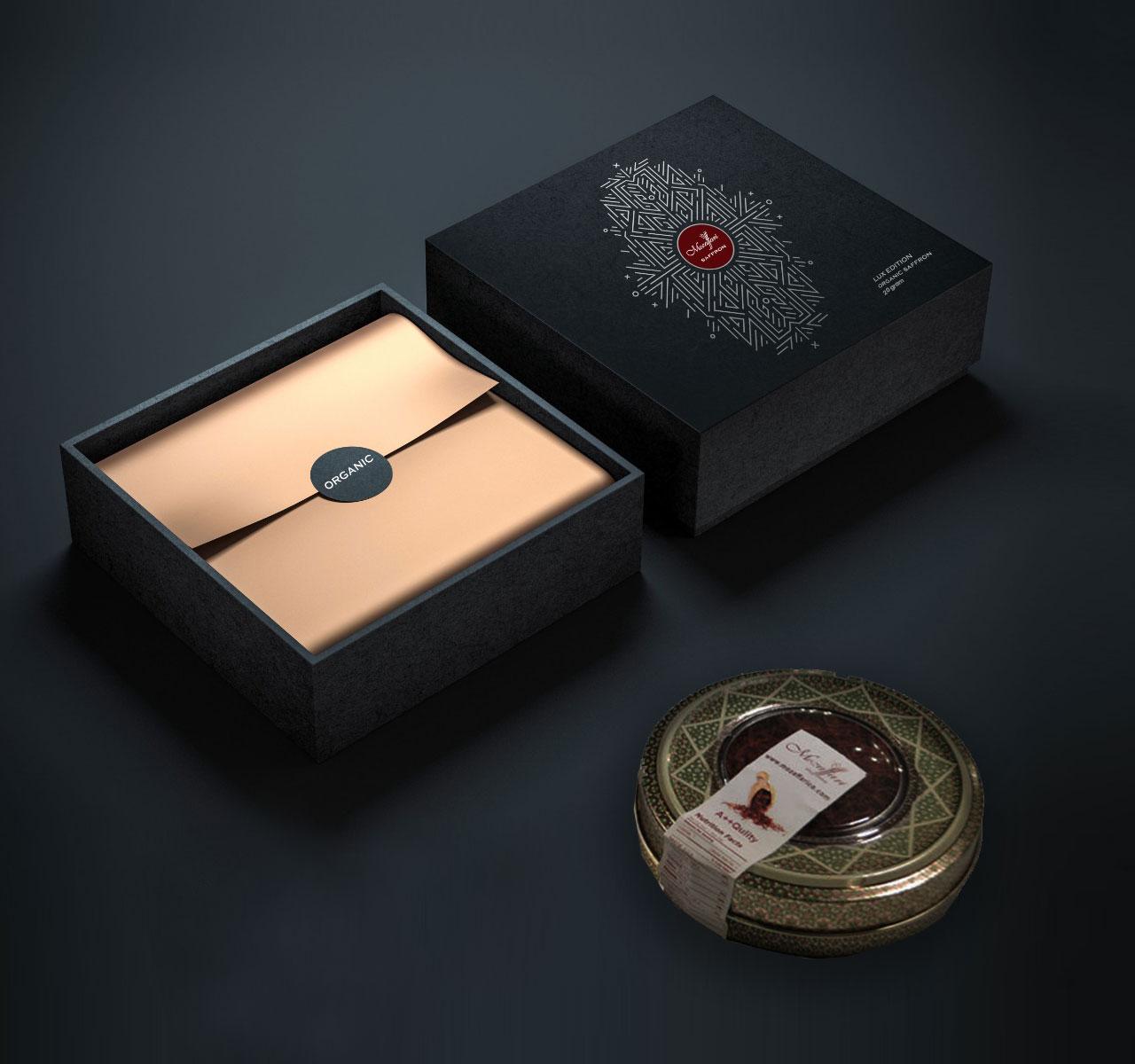
Why Packaging Matters in Saffron Export
Packaging is far more than a marketing tool.
It directly affects:
- Product freshness
- Aroma preservation
- Protection from moisture
- Product presentation
- Consumer trust
Export packaging must also comply with destination market regulations.
Popular packaging options include:
- Metal containers
- Glass jars
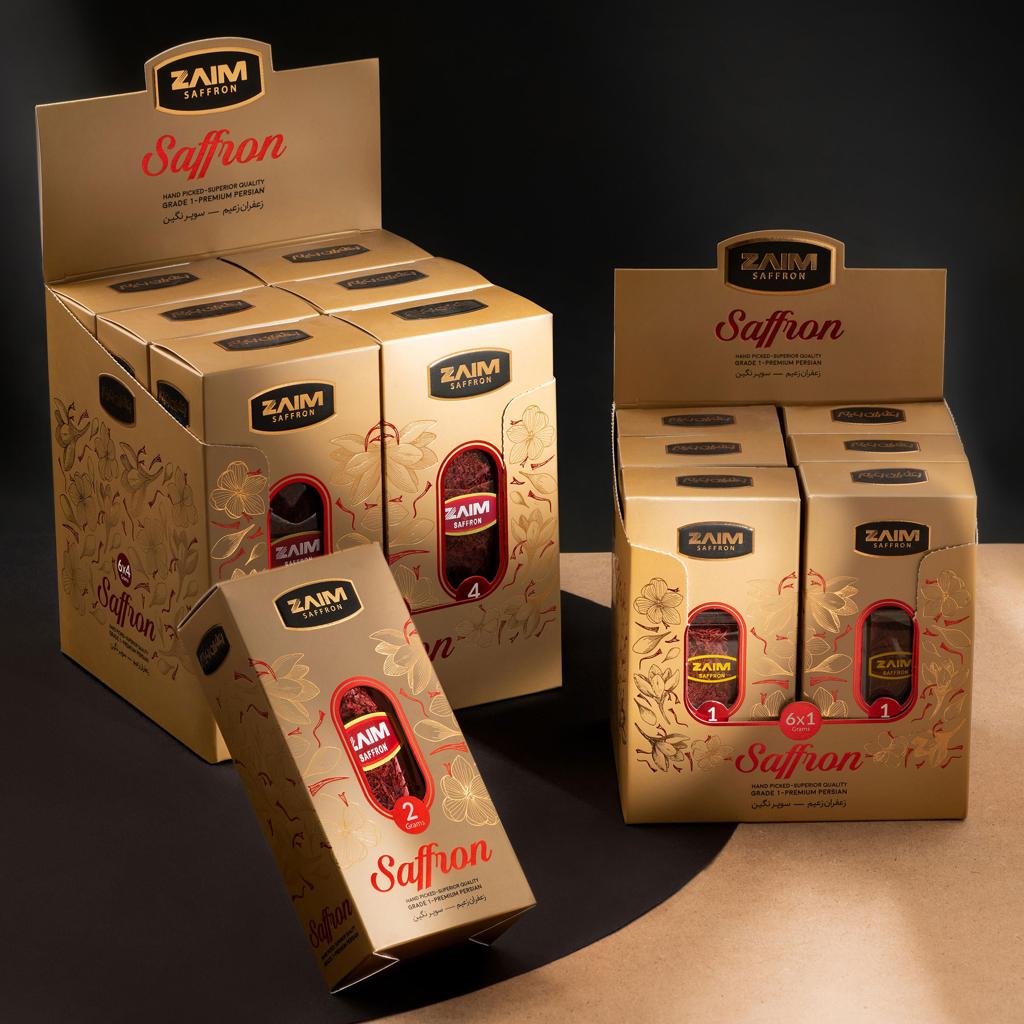
- Luxury gift boxes
- Crystal containers
- Retail cartons
- Food-grade pouches
Luxury packaging is particularly important in premium markets.
Challenges in the Global Saffron Market
Despite its strong position, the saffron market faces several challenges.
Counterfeit Products
Fake saffron damages consumer confidence.
Price Volatility
Supply and demand can cause significant price fluctuations.
Changing Regulations
Different countries maintain different import requirements.
Increasing Competition
Other producing countries continue to expand their saffron industries.
Professional exporters must remain informed about these changes.
Factors Affecting Export Saffron Prices
Several variables influence international saffron pricing.
Harvest Volume
Lower production generally increases prices.
Exchange Rates
Currency fluctuations can affect export competitiveness.
Quality Grade
Premium grades command higher prices.
Packaging
Luxury packaging increases value.
International Demand
Growing global demand can push prices upward.
For updated market information, buyers should regularly monitor saffron price trends.
How to Choose the Best Saffron for Export
Selecting the right saffron depends on business objectives.
For Luxury Retail
Super Negin saffron is often the ideal choice.
For Food Manufacturing
Sargol saffron offers excellent value.
For Traditional Markets
Pushal saffron may be preferred.
For Premium Wholesale
Negin saffron provides an excellent balance between quality and price.
Why Consumers Trust Iranian Saffron
International consumers often choose Iranian saffron because of:
- Long-standing reputation
- Consistent quality
- Strong coloring power
- Exceptional aroma
- Diverse product grades
- Competitive pricing
These factors have helped Iranian saffron maintain its position as the global market leader.
Future of the Global Saffron Market
The future of saffron appears highly promising.
Growing consumer interest in:
- Natural ingredients
- Functional foods
- Premium spices
- Mediterranean cuisine
- Herbal products
continues to increase global demand.
At the same time, the expansion of e-commerce has made premium Iranian saffron more accessible to international consumers.
Frequently Asked Questions
Which saffron grade is best for export?
Super Negin and Negin saffron are generally considered the best options for premium export markets.
Why is Iranian saffron so popular worldwide?
Because of its exceptional quality, strong coloring power, rich aroma, and long history of cultivation.
Does packaging matter in saffron export?
Yes. Proper packaging preserves quality and increases commercial value.
Is all Iranian saffron suitable for export?
Different grades serve different markets, but high-quality Iranian saffron is widely accepted internationally.
What factors affect saffron export prices?
Quality, harvest volume, demand, packaging, and exchange rates all influence pricing.
Conclusion
Iranian saffron has earned its reputation as the world’s leading export saffron through centuries of expertise, exceptional quality, and remarkable diversity of products.
Whether buyers are looking for luxury-grade Super Negin saffron, versatile Negin saffron, or cost-effective Sargol saffron, Iran offers solutions for every segment of the international market.
As global demand for premium natural ingredients continues to rise, Iranian saffron is expected to maintain its position as one of the most valuable and sought-after agricultural products in the world.